
 Home
Home- August 23, 2025 / 04:23 PM ISTByFilmy Focus Writer


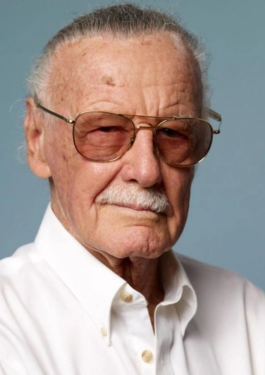
Stan Lee
Biography:
Stan Lee, born Stanley Martin Lieber on December 28, 1922, in Manhattan, grew up the son of Romanian Jewish immigrants, Celia (née Solomon) and Jack Lieber. His father, a dress cutter, struggled with steady employment during the Great Depression. The family moved frequently within Manhattan before settling in Washington Heights, where Lee and his younger brother Larry shared a modest apartment with their parents.
From an early age, Lee was captivated by books and films, especially adventure stories featuring actors like Errol Flynn. He credited The Scarlet Pimpernel as the first true “superhero” character he encountered. While studying at DeWitt Clinton High School, Lee discovered a passion for writing and dreamed of penning the “Great American Novel.” He took on various part-time jobs—from writing obituaries to delivering sandwiches and working as an usher—and even won recognition in a local essay contest, which encouraged him to consider writing as a career.
In 1939, through his uncle Robbie Solomon, Lee began working at Timely Comics, a new division of publisher Martin Goodman. Starting with menial tasks like refilling inkwells and proofreading, Lee soon tried his hand at writing. His first published story, “Captain America Foils the Traitor’s Revenge” (1941), appeared under the pen name Stan Lee, which he later adopted legally to separate his comics career from his literary ambitions. That same year, he co-created characters such as the Destroyer, Jack Frost, and Father Time. When Joe Simon and Jack Kirby left Timely, the teenage Lee was promoted to interim editor, a role he held into the 1970s as the company evolved into Marvel Comics.
During World War II, Lee served in the U.S. Army’s Signal Corps, later transferring to the Training Film Division, where his official title was “playwright.” He worked on manuals, slogans, cartoons, and training films alongside future luminaries like Frank Capra, Charles Addams, and Theodor Geisel (Dr. Seuss). After his military service, Lee resumed writing for Timely—later known as Atlas Comics—producing stories across genres from romance to Westerns. By the 1950s, however, he grew disillusioned with the field and considered quitting.
A turning point came in the early 1960s, when, inspired by advice from his wife Joan, Lee began writing superheroes with real flaws and personalities. Teaming with artist Jack Kirby, he co-created The Fantastic Four in 1961, followed by The Hulk, Thor, Iron Man, The X-Men, and The Avengers. With Steve Ditko, he introduced Doctor Strange and Marvel’s most iconic hero, Spider-Man. Lee also played a key role in reviving earlier characters like Captain America and Sub-Mariner.
His innovative approach to storytelling emphasized character depth, social issues, and interconnected universes. He pioneered the “Marvel Method,” collaborating closely with artists who plotted stories visually while he added dialogue and narration. Lee also cultivated a personal connection with fans through editorial columns like “Stan’s Soapbox,” playful letters pages, and the creation of the Merry Marvel Marching Society fan club. His motto “Excelsior!” became his trademark sign-off.
Throughout the 1960s and ’70s, Marvel flourished under Lee’s leadership, producing groundbreaking stories such as the Fantastic Four’s “Galactus Trilogy” and introducing heroes like Black Panther, the first black superhero in mainstream comics, and Falcon, the first African-American superhero. In 1971, Lee challenged the Comics Code Authority by publishing a Spider-Man storyline tackling drug abuse, ultimately helping reform censorship rules in the industry.
By 1972, Lee transitioned from writer to publisher and later became the public face of Marvel, appearing at conventions, universities, and media events. He co-launched the Spider-Man newspaper strip, co-authored Marvel’s first graphic novel (The Silver Surfer: The Ultimate Cosmic Experience), and oversaw new projects like The Savage She-Hulk. Moving to California in the 1980s, he shifted focus to developing Marvel’s film and television properties, while continuing occasional writing projects.
In later decades, Lee branched out with ventures like Stan Lee Media and POW! Entertainment, creating new characters, producing TV shows like Who Wants to Be a Superhero?, and collaborating with international partners on manga and anime projects. He also embraced digital media, launching YouTube channels and publishing new graphic novels such as Stan Lee’s God Woke, which earned critical recognition.
Lee became a beloved cultural icon, celebrated not just for co-creating Marvel’s pantheon of superheroes but for his numerous cameos in Marvel films and TV shows. His likeness and name became part of Marvel’s branding long after his retirement from day-to-day duties.
In his personal life, Lee married Joan Boocock in 1947, and they had one daughter, Joan Celia. Another daughter, Jan, died shortly after birth. The couple remained together until Joan’s death in 2017.
Stan Lee passed away on November 12, 2018, at the age of 95, from cardiac arrest with complications from heart and lung conditions. His ashes were given to his daughter. Remembered as the visionary who reshaped modern comic books, Lee left behind a legacy of characters, stories, and imagination that continue to inspire generations worldwide.
More Details
| Name | Stan Lee |
|---|---|
| Date of Birth | 28/12/1922 |
| Date of Death | 12/11/2018 |
| Birth Place | New York City, U.S. |
| Current Residence | Los Angeles, California, U.S. |
| Religion | Christian |
| Nationality | American |
| Height | 179 CM |
| Hobbies | Watching Movies, Acting |
| Spouse | Joan Boocock |
| Children | 2 |
| Educational Qualification | Graduated |
| Debut Movies | |
|---|---|
| Language | Movie Name |
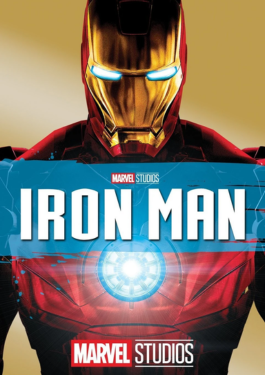
| English | Iron Man |
| Awards List | ||||
|---|---|---|---|---|
| Year | Award | Category | Movie Name | |
Gallery of Stan Lee
Upcoming Movies
Filmography of Stan Lee
Upcoming Celebs Birthdays

Keerthy Suresh
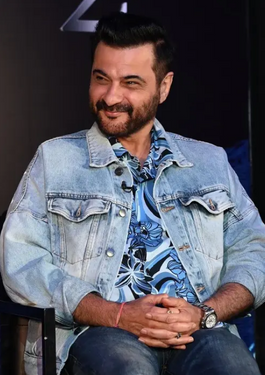
Sanjay Kapoor

Pranitha Subhash
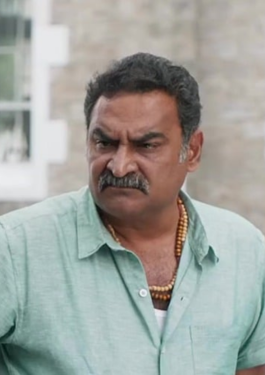
Aadukalam Naren

Shakalaka Shankar

Annapurna
Pawan

Manya

Akhila Bhargavan
Rajendra Gupta
Upcoming Movies

Garividi Lakshmi

Diesel

Naa Wife Missing
Romeo Juliet
Love Bite
Seyon
#CULT
Aadarsha Kutumbam AK 47
Itlu Arjuna