
 Home
Home- October 17, 2026 / 08:18 PM ISTByFilmy Focus


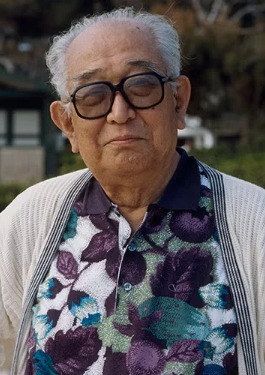
Akira Kurosawa
Biography:
Akira Kurosawa was one of the most influential filmmakers in the history of world cinema. Born in Tokyo, Japan, on 23 March 1910, he initially developed a strong interest in painting before entering the film industry. His artistic background later became a defining feature of his filmmaking, particularly in his carefully composed shots, expressive use of movement and detailed storyboards.
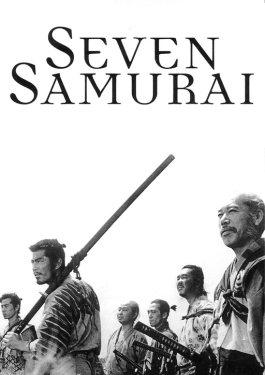
Kurosawa began directing feature films with Sanshiro Sugata in 1943. His international breakthrough came with Rashomon in 1950, which introduced audiences around the world to the storytelling possibilities of Japanese cinema. He went on to direct celebrated works such as Ikiru, Seven Samurai, Yojimbo and Ran. His films explored courage, morality, social responsibility, human suffering and the complexity of truth.
His long creative partnership with actor Toshirō Mifune produced many memorable performances. Kurosawa’s storytelling techniques also influenced filmmakers around the world, and several of his films inspired adaptations in other countries. Beyond directing, he contributed as a screenwriter, producer, editor and painter, maintaining close involvement in the creative process.
Kurosawa received international recognition, including an Honorary Academy Award in 1990. He died on 6 September 1998, aged 88, leaving behind a remarkable cinematic legacy. His films continue to inspire directors, students and audiences, securing his place among cinema’s greatest storytellers.
More Details
| Name | Akira Kurosawa |
|---|---|
| Also Known as | The Emperor; Wind Man |
| Date of Birth | 23/03/1910 |
| Date of Death | 06/09/1998 |
| Birth Place | Setagaya, Tokyo, Japan |
| Nationality | Japanese |
| Height | 182 CM |
| Hobbies | Painting, drawing, reading, literature and cinema |
| Father | Isamu Kurosawa |
| Mother | Shima Kurosawa |
| Sibling | 7 |
| Spouse | Yōko Yaguchi, |
| Children | Two: Hisao Kurosawa and Kazuko Kurosawa |
| Marriage Date | 20/05/1945 |
| Educational Qualification | Studied Western-style painting |
| School (s) | Keika Middle School |
| Debut Movies | |
|---|---|
| Language | Movie Name |
| Awards List | ||||
|---|---|---|---|---|
| Year | Award | Category | Movie Name | |
| 1951 | Golden Lion, Venice Film Festival | Rashomon | ||
| 1952 | Silver Bear, Berlin International Film Festival | Ikiru | ||
| 1954 | Silver Lion, Venice Film Festival | Seven Samurai | ||
| 1975 | Gold Prize, Moscow International Film Festival | Dersu Uzala | ||
| 1980 | Palme d’Or / Grand Prix recognition at Cannes | Kagemusha | ||
| 1984 | Legion of Honour, France | Contribution to cinema and culture | ||
| 1985 | Order of Culture, Japan | Lifetime cultural achievement | ||
| 1990 | Honorary Academy Award | Lifetime achievement in cinema | ||
Gallery of Akira Kurosawa
Upcoming Movies
Filmography of Akira Kurosawa
Upcoming Celebs Birthdays

Keerthy Suresh
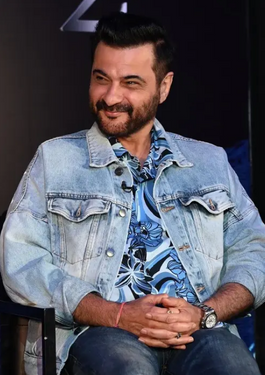
Sanjay Kapoor

Pranitha Subhash
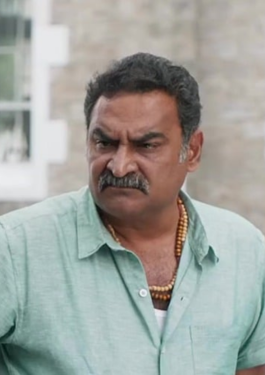
Aadukalam Naren

Shakalaka Shankar
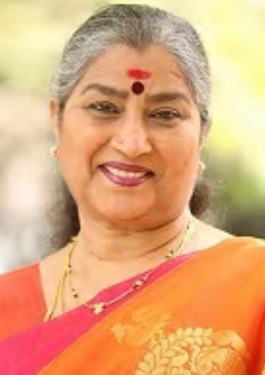
Annapurna

Pawan

Manya

Akhila Bhargavan
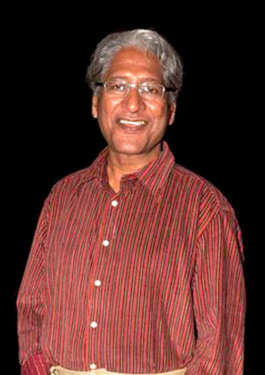
Rajendra Gupta
Upcoming Movies

Garividi Lakshmi

Diesel

Naa Wife Missing

Romeo Juliet
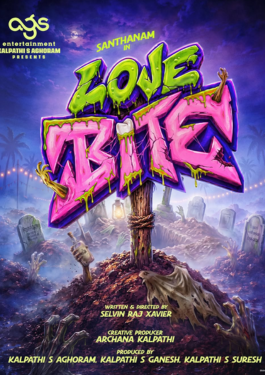
Love Bite
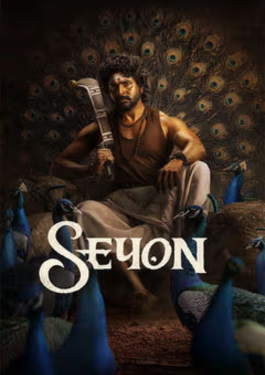
Seyon
#CULT

Aadarsha Kutumbam AK 47

Itlu Arjuna